Site Remediation
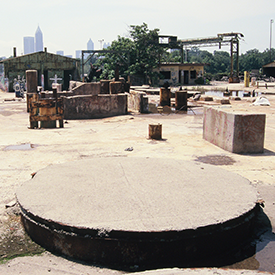
KEMRON provides site remediation services including remediation system design, mobile remediation services, bench and pilot testing, fabrication, construction, QA/QC, long-term operations/maintenance and job site auditing. We routinely develop and execute comprehensive remedial solutions from start to finish but can also deliver each service as a stand-alone engagement. Our expertise includes civil, sanitary, environmental, electrical and chemical engineering for air, water/wastewater, hazardous and low-level radioactive waste treatment and disposal. We’ve completed remedial projects in various environments including heavy industrial, commercial and residential/mixed use sites. Specific services KEMRON provides include:
- Excavation and Disposal
- Site Decontamination and Disposal
- Mobile Remediation
- NAPL / DNAPL Recovery
- UST Removal and Remediation
- Bioremediation
- Solidification/ Stabilization
- Capping
- LTO / LTM
- Slurry Walls
- Chemical Treatment
- Phytoremediaton
- Groundwater Recovery and Treatment
- SVE and Air Sparging
- Thermal Treatment
- Bench and Pilot Testing
- Troubleshooting
- Demolition
- Reactive Barrier Walls
- Asbestos, Lead and Mold Abatement